1,4 Adverse events 5% in SUSTAIN 4 9 AEs occurring in 5% of participants treated with Ozempic injection in SUSTAIN 4 SUSTAIN 4 was not designed to evaluate relative safety between Ozempic injection and Lantus In placebo-controlled trials, the most common adverse reactions reported in 5% of patients treated with Ozempic injection are nausea, vomiting, diarrhea, abdominal pain, and constipation 1 Because clinical trials are conducted under widely varying conditions, adverse reaction rates observed in the clinical trials of a drug cannot be directly compared with rates in the clinical trials of another drug and may not reflect the rates observed in practice 1 Comparator AE rates are not an adequate basis for comparison of safety between products 1 Incidence of severe hypoglycemia was 1.5% across all placebo-controlled trials 1 Incidence of severe hypoglycemia or blood glucose-confirmed hypoglycemia (% of patients) was 4% with Ozempic injection 0.5 mg, 6% with Ozempic injection 1 mg, and 11% with Lantus 9,a Adverse events 5% in SUSTAIN FORTE 4 AEs occurring in 5% of patients receiving Ozempic injection 1 mg and 2 mg in SUSTAIN FORTE In placebo-controlled trials, the most common adverse reactions reported in 5% of patients treated with Ozempic injection are nausea, vomiting, diarrhea, abdominal pain, and constipation 1 No new safety signals were identified
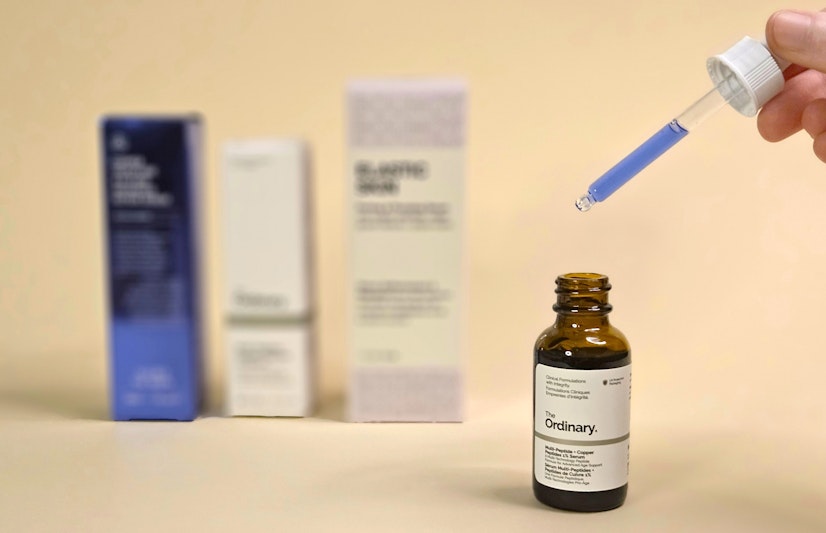
Se remarc prin selecia de peptide riguros testate, precum BPC-157, care corespund celor mai nalte standarde de puritate i eficacitate
Patients may prefer troches for convenience, ease of self-administration, and steady systemic effects that support overall tissue regeneration
Anti-Aging and Epigenetic Repair Research shows that GHK-Cu can: Restore youthful gene expression profiles Reduce oxidative DNA damage Enhance antioxidant enzyme activity (SOD, catalase, glutathione peroxidase) It has become a cornerstone in peptide-based anti-aging protocols